
The Ancient Calendar of Kĩrĩkanĩro: 12 Sacred Months & Mathematical Precision
A Comprehensive Analysis of the 30-Day Scriptural Month, Sacred Appointed Seasons, and Celestial Order in the Old Testament Text
1. Introduction: The Statutory Order of Time
In the textual framework of Kĩrĩkanĩro (the Old Testament), time is not an arbitrary construct of human convention, but a statutory instrument designed and governed by Jehova Ngai. From the very origin of creation, celestial bodies were ordained to act as precise markers for days, years, and sacred convocations (mahinda).
While our previous textual analysis—The Seasons, Appearances, and Purposes of the Moon in Kĩrĩkanĩro—focused specifically on the lunar cycles (mweri) and biological purity statutes, this study examines the broader macro-structure of the ancient calendar system: its 30-day mathematical baseline, its statutory 12-month framework, and its sovereign cosmic alterations.
KĨAMBĨRĨRIA 1:14
'Ningĩ Ngai akiuga atĩrĩ, Nĩkũgĩe imũrĩ mũtambũrũko-inĩ ũcio wa matu-mairũ ma igũrũ cia kwamũrania mũthenya na ũtukũ; nacio ituĩke imenyithia cia maũndũ, na cia mahinda, na cia matukũ na mĩaka; '
2. Mathematical & Scriptural Proof of the 30-Day Month
While observed lunar months naturally alternate between 29 and 30 days due to the astronomical cycle (≈ 29.5 days), the textual math of Kĩrĩkanĩro establishes a standardized 30-day baseline for calendar calculations and formal statutory periods.
A. The Genesis Flood Account: The 150-Day Benchmark
The clearest mathematical evidence for the 30-day month is recorded in the historic account of Noah’s Flood:
- Flood Begins: 2nd Month, 17th Day (KĨAMBĨRĨRIA 7:11)
- Ark Rests: 7th Month, 17th Day (KĨAMBĨRĨRIA 8:4)
- Duration: Exactly 5 months.
150 days / 5 months = 30 days per month
KĨAMBĨRĨRIA 7:11
'Na rĩrĩ, hĩndĩ ĩrĩa Nuhu aakinyĩtie mĩaka magana matandatũ, o mũthenya wa ikũmi na mũgwanja wa mweri wa kerĩ wa mwaka ũcio, mũthenya o ro ũcio-rĩ, nĩguo matherũkĩro mothe ma maĩ ma kũrĩa kũriku mũno maatothokire, nayo mĩanya ya kũrĩa igũrũ ĩkĩhingũrũo. 'KĨAMBĨRĨRIA 7:24
'Namo maĩ macio magĩikara mahũhitĩte gũkũ thĩ ihinda rĩa matukũ igana rĩa mĩrongo ĩtano.'KĨAMBĨRĨRIA 8:3
'namo maĩ makĩrũmanĩria gũcokacoka na thutha o makĩeheraga thĩ; na rĩrĩ, matukũ maathira igana rĩa mĩrongo ĩtano, maĩ magĩkorũo manyihanyihĩte. 'KĨAMBĨRĨRIA 8:4
'Naguo mũthenya wa ikũmi na mũgwanja wa mweri wa mũgwanja thabina ĩo ĩgĩikarĩra irĩma iria ciĩtagwo Ararati. '
B. The Standard 30-Day National Mourning Period
Whenever Kĩrĩkanĩro prescribes a full statutory month for formal national mourning, it explicitly measures the duration as 30 days:
- Mourning for Aaron (NDARI 20:29):
'Na rĩrĩ, rĩrĩa kĩrĩndĩ kĩu gĩothe, naguo ũguo nĩ ta kuuga nyũmba yothe ya Isiraeli, kĩonire atĩ Haruni nĩakuĩte, gĩkĩmũrĩrĩra matukũ mĩrongo ĩtatũ.' - Mourning for Moses (GŨCOKERITHIA MAATHANI 34:8):
'Nacio ciana cia Isiraeli ikĩrĩrĩra Musa o kũu werũ-inĩ ũcio mwaraganu wa Moabi matukũ mĩrongo ĩtatũ. Namo matukũ macio ma kũrĩrĩra Musa magĩgĩthira. '
3. The 12 Sacred Months of the Year

The sacred calendar is anchored in the spring month of Abibu (Nisani) by explicit divine decree during the Exodus:
THAMA 12:2
'Mweri ũyũ nĩguo ũgatuĩka mweri wa mbere ya mĩeri ĩrĩa ĩngĩ harĩ inyuĩ, na ũtuĩke mweri wanyu wa kwambagĩrĩria mwaka naguo. 'GŨCOKERITHIA MAATHANI 16:1
' Mweri wa Abibu-rĩ, ũũmenyagĩrĩre mũno, ũrĩage Bathaka ya Jehova Ngai waku, nĩ gũkorũo mweri ũcio wa Abibu nĩguo Jehova Ngai waku aakũrutire bũrũri wa Misiri ũtukũ. '
Breakdown of the Sacred Calendar Cycle
1. Abibu / Nisani (1st Month)
Significance: The Spiritual New Year, Passover (Bathaka), and the Feast of Unleavened Bread. Established as the head of all months (THAMA 12:2, GŨCOKERITHIA MAATHANI 16:1).
2. Zivu (2nd Month)
Significance: Secondary Passover for those unclean; the month Solomon began laying the foundation of the Temple.
1 ATHAMAKI 6:1
'Na gũgĩkinya atĩrĩ, atĩ mwaka wa magana mana ma mĩrongo ĩnana kuuma hĩndĩ ĩrĩa ciana cia Isiraeli cioimire bũrũri wa Misiri, o mwaka wa ĩna ĩrĩa Suleimani aakorirũo athamakĩire Isiraeli, mweri wa Zivu, naguo nĩguo mweri wa kerĩ-rĩ, agĩkĩambĩrĩria gwaka nyũmba ya Jehova. '
3. Sivani (3rd Month)
Significance: Season of the Harvest Feast / Pentecost (Gĩathĩ kĩa Magetha); the month King Ahasuerus's scribes dispatched Mordecai’s decree protecting the Jews.
IBUKU RĨA ESITERI 8:9
'Narĩo ihinda rĩu aandĩki-marũa a mũthamaki magĩĩtwo, o mweri wa ĩtatũ, naguo mweri ũcio nĩguo wetagwo Sivani, mũthenya wa mĩrongo ĩĩrĩ na ĩtatũ waguo; naguo ũhoro ũrĩa waandĩkirũo marũa-inĩ macio warĩ wa kũmenyithania maũndũ mothe marĩa Moridekai aathanire mekwo nĩ Ayahudi, o na abarũthi arĩa anene o na anyinyi, o na anene arĩa angĩ a mabũrũri marĩa maathagwo nĩ mũthamaki wao, marutĩrĩirio kwa Ahĩndĩ o nginya Kushi; namo maarĩ mabũrũri igana rĩa mĩrongo ĩĩrĩ na mũgwanja magĩtarũo; o bũrũri ũkĩandĩkĩrũo o ta ũrĩa mwandĩkĩre waguo ũtariĩ, naruo o rũrĩrĩ o ta ũrĩa mwarĩrie waruo watariĩ, o nao Ayahudi makĩandĩkĩrũo o ta ũrĩa mwandĩkĩre wao watariĩ, o na ta ũrĩa mwarĩrie wao watariĩ. '
4. Mweri wa Ĩna (4th Month)
Significance: Summer drought peak; historical breaching of Jerusalem's city walls.
2 ATHAMAKI 25:3
'Na rĩrĩ, mũthenya wa kenda wa mweri wa ĩna-rĩ, ng’aragu ĩgĩkorũo ĩĩhĩte mũno mũno itũũra-inĩ rĩu, o nginya gũkĩaga irio cia kũrĩo nĩ andũ a bũrũri ũcio. '2 ATHAMAKI 25:4
'Hĩndĩ ĩo rũthingo rũa itũũra rũgĩthario handũ, nao andũ othe a ita makĩũra ũtukũ, makĩgera mũromo-inĩ ũrĩa wakuhanĩrĩirie na mũgũnda wa mũthamaki, gatagatĩ ga thingo cierĩ; (nao Akalidei nĩ kũrigicĩria maarigicĩirie itũũra rĩu na mbarĩ ciothe:) nake mũthamaki agĩĩthiĩra na njĩra ya Araba. '
5. Mweri wa Ĩtano / Mũthana (5th Month)
Significance: Death of Aaron the High Priest on Mount Hor.
NDARI 33:38
'Nake Haruni, mũthĩnjĩri-Ngai, agĩkĩambata kĩrĩma-inĩ kĩu kĩa Horu, na ũndũ wa ũrĩa aathĩtwo nĩ Jehova, agĩkuĩra kuo, o mwaka wa mĩrongo ĩna thutha wa hĩndĩ ĩrĩa ciana cia Isiraeli cioimire bũrũri wa Misiri, o mweri wa ĩtano, mũthenya wa mbere waguo. '
6. Eluli (6th Month)
Significance: Month of restoration; completion of Jerusalem's defensive wall under Nehemiah in 52 days.
IBUKU RĨA NEHEMIA 6:15
'Naruo rũthingo rũu rũgĩkĩrĩkio mũthenya wa mĩrongo ĩĩrĩ na ĩtano wa mweri wa Eluli, na rũaninĩte matukũ mĩrongo ĩtano na merĩ rũgĩakwo. '
7. Ethanimu / Tishrei (7th Month)
Significance: The Civil New Year, Day of Atonement (Yom Kippur), and Feast of Tabernacles (Gĩathĩ kĩa Ithũnũ).
1 ATHAMAKI 8:2
'Nao andũ othe a Isiraeli magĩgĩtũngana he mũthamaki Suleimani gĩathĩ-inĩ, o mweri wa Ethanimu, naguo nĩguo mweri wa mũgwanja. '
8. Bulu (8th Month)
Significance: Complete structural finalization of King Solomon’s Temple after 7 years of construction.
1 ATHAMAKI 6:38
'Naguo mwaka wa ikũmi na ũmwe, mweri wa Bulu, naguo nĩguo mweri wa ĩnana, nĩguo nyũmba ĩo yarĩkire gwakwo tuuco twayo tuothe, o ta ũrĩa mũhianĩre wayo wothe watariĩ. Tondũ ũcio aakĩninire mĩaka mũgwanja akĩmĩaka.'
9. Kisilevu (9th Month)
Significance: The arrival of winter rains and prophetic exhortations.
ZEKARIA 7:1
'Na gũgĩkinya atĩrĩ, atĩ mwaka wa ĩna ĩrĩa Dario aakorirũo athamakĩte-rĩ, ndũmĩrĩri ya Jehova ĩgĩkinyĩrĩra Zekaria mũthenya wa kana wa mweri wa kenda, o ũcio wĩtagwo Kisilevu. '
10. Tebethi (10th Month)
Significance: Winter siege periods and historical royal records.
IBUKU RĨA ESITERI 2:16
'Nake Esiteri agĩgĩtwarũo he Ahasuerusu, mũthamaki, o kũu nyũmba ya athamaki, mweri wa ikũmi, naguo nĩguo mweri ũrĩa wĩtagwo Tebethu, mwaka wa mũgwanja ĩrĩa aakorirũo athamakĩte. '
11. Shebati (11th Month)
Significance: The final wilderness address and legal reviews delivered by Moses.
GŨCOKERITHIA MAATHANI 1:3
'Na gũgĩkinya atĩrĩ, atĩ mwaka wa mĩrongo ĩna, mweri wa ikũmi na ũmwe waguo, o mũthenya wa mbere waguo-rĩ, Musa akĩarĩria ciana cia Isiraeli, agĩciĩra maũndũ mothe o ta ũrĩa erĩtwo nĩ Jehova aciathe. '
12. Adari (12th Month)
Significance: Final month of the sacred year; completion of the Second Temple and celebration of Purim.
IBUKU RĨA EZARA 6:15
'Nayo nyũmba ĩo yarĩkirio mũthenya wa ĩtatũ wa mweri wa Adari wa mwaka-inĩ wa ĩtandatũ ĩrĩa Dario, ũcio mũthamaki, aakorirũo athamakĩte. '
4. Cosmic Authority & Sovereign Alterations
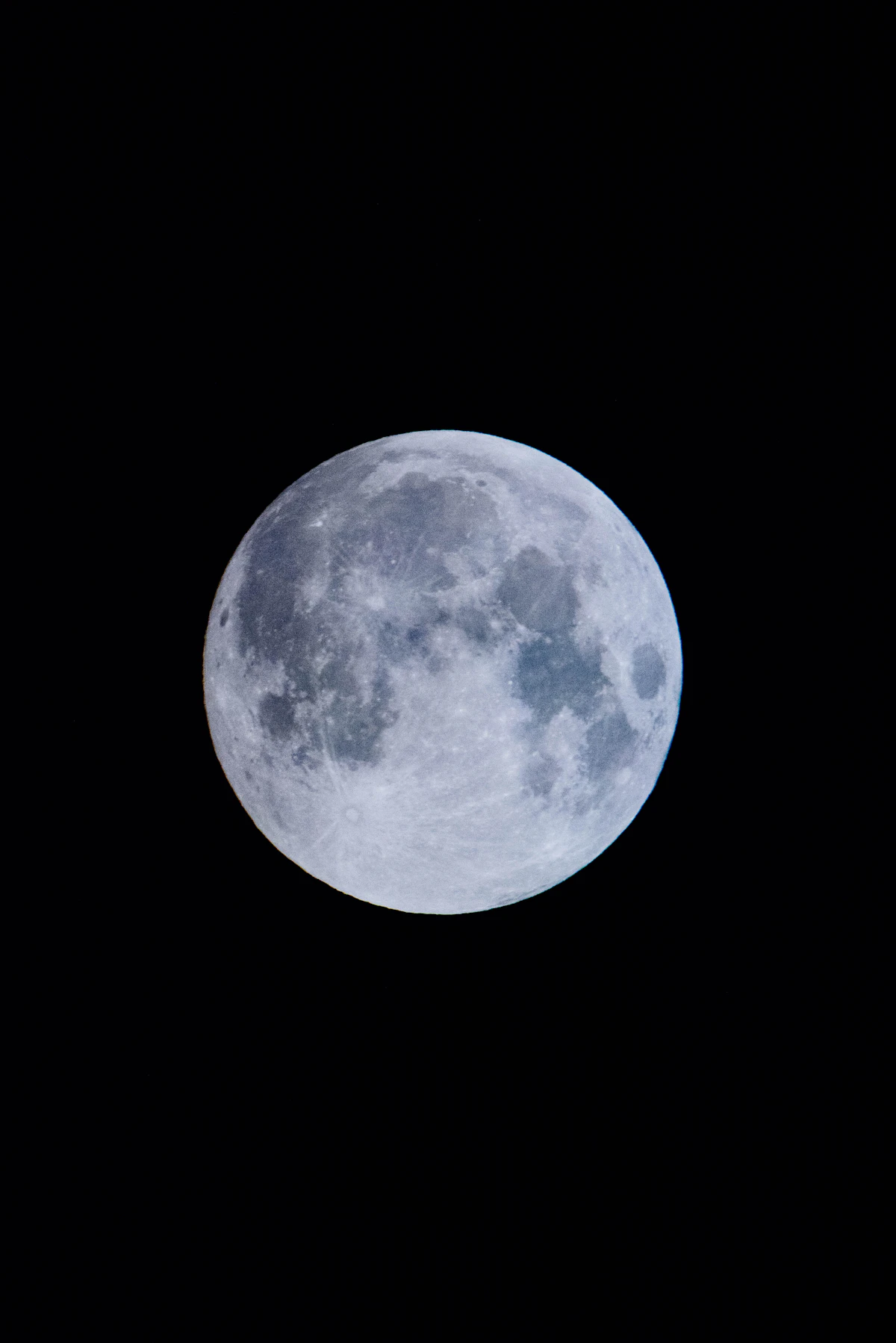
While the calendar functions on precise statutory schedules, Kĩrĩkanĩro emphasizes that celestial bodies are not autonomous deities—they remain fully subject to Jehova Ngai's sovereign command.
A. The Sun and Moon Standing Still (Joshua 10)
During the battle at Gibeon, the natural motion of the day was suspended, demonstrating divine dominion over cosmic timekeeping:
IBUKU RĨA JOSHUA 10:12
'Ningĩ hĩndĩ ĩo Joshua agĩkĩarĩria Jehova, mũthenya o ro ũcio Jehova aarekereirie Aamori akĩmaneana harĩ ciana cia Isiraeli, nake agĩkiugĩra harĩ ciana cia Isiraeli, o ikĩmuonaga, ũũ: Atĩrĩrĩ wee riũa, rũgama o ro ũguo, wĩhande o kũu igũrũ rĩa Gibeoni, O nawe mweri-rĩ, rũgama o ro ũguo, wĩhande kũu gĩtuamba-inĩ kĩa Aijaloni. 'IBUKU RĨA JOSHUA 10:13
' Narĩo riũa rĩkĩrũgama o ro ũguo, o naguo mweri ũgĩikara o ro ũguo o kũu warĩ, O nginya rũrĩrĩ rũrũ rũkĩĩrĩhĩria harĩ thũ ciaruo. Ĩ guo ũhoro ũyũ-rĩ, githĩ ti mwandĩke ibuku-inĩ rĩa Jasharu? Atĩ riũa rĩgĩkĩrũgama o ro ũguo matu-inĩ marĩa mairũ gatagatĩ, na rĩtiigana kũhiũha gũthũa o ta ihinda rĩa mũthenya mũgima. '
B. Prophetic Signs & Cosmic Fading
In prophetic literature, dramatic alterations in the sun and moon signal supreme spiritual shifts and judgment:
- Turning to Blood:
JOELI 2:31
'Riũa nĩrĩkagarũrũo rĩgĩe nduma, o naguo mweri ũtuĩke ta thakame, mbere ya mũthenya ũrĩa ũtuĩtwo nĩ Jehova ũtanakinya, o ũrĩa mũnene na wa kũmakania. ' - Fading Before Eternal Light:
ISAIA 60:19
'Riũa-rĩ, tirĩo rĩrĩkwaragĩra mũthenya, o na kana mweri ũgũtheragĩre ũtukũ; no rĩrĩ, Jehova nĩwe ũgũtũũra agũtheragĩra tene na tene, o nake Ngai waku atuĩke wa gũtũma ũgĩe riri. '
5. Summary Table: The Statutory 12 Sacred Months
The Ancient Calendar of Kĩrĩkanĩro: 12 Sacred Months & Mathematical Precision
A Comprehensive Analysis of the 30-Day Scriptural Month, Sacred Appointed Seasons, and Celestial Order in the Old Testament Text
1. Introduction: The Statutory Order of Time
In the textual framework of Kĩrĩkanĩro (the Old Testament), time is not an arbitrary construct of human convention, but a statutory instrument designed and governed by Jehova Ngai. From the very origin of creation, celestial bodies were ordained to act as precise markers for days, years, and sacred convocations (mahinda).
While our previous textual analysis—The Seasons, Appearances, and Purposes of the Moon in Kĩrĩkanĩro—focused specifically on the lunar cycles (mweri) and biological purity statutes, this study examines the broader macro-structure of the ancient calendar system: its 30-day mathematical baseline, its statutory 12-month framework, and its sovereign cosmic alterations.
KĨAMBĨRĨRIA 1:14
'Ningĩ Ngai akiuga atĩrĩ, Nĩkũgĩe imũrĩ mũtambũrũko-inĩ ũcio wa matu-mairũ ma igũrũ cia kwamũrania mũthenya na ũtukũ; nacio ituĩke imenyithia cia maũndũ, na cia mahinda, na cia matukũ na mĩaka; '
2. Mathematical & Scriptural Proof of the 30-Day Month
While observed lunar months naturally alternate between 29 and 30 days due to the astronomical cycle (≈ 29.5 days), the textual math of Kĩrĩkanĩro establishes a standardized 30-day baseline for calendar calculations and formal statutory periods.
A. The Genesis Flood Account: The 150-Day Benchmark
The clearest mathematical evidence for the 30-day month is recorded in the historic account of Noah’s Flood:
- Flood Begins: 2nd Month, 17th Day (KĨAMBĨRĨRIA 7:11)
- Ark Rests: 7th Month, 17th Day (KĨAMBĨRĨRIA 8:4)
- Duration: Exactly 5 months.
150 days / 5 months = 30 days per month
KĨAMBĨRĨRIA 7:11
'Na rĩrĩ, hĩndĩ ĩrĩa Nuhu aakinyĩtie mĩaka magana matandatũ, o mũthenya wa ikũmi na mũgwanja wa mweri wa kerĩ wa mwaka ũcio, mũthenya o ro ũcio-rĩ, nĩguo matherũkĩro mothe ma maĩ ma kũrĩa kũriku mũno maatothokire, nayo mĩanya ya kũrĩa igũrũ ĩkĩhingũrũo. 'KĨAMBĨRĨRIA 7:24
'Namo maĩ macio magĩikara mahũhitĩte gũkũ thĩ ihinda rĩa matukũ igana rĩa mĩrongo ĩtano.'KĨAMBĨRĨRIA 8:3
'namo maĩ makĩrũmanĩria gũcokacoka na thutha o makĩeheraga thĩ; na rĩrĩ, matukũ maathira igana rĩa mĩrongo ĩtano, maĩ magĩkorũo manyihanyihĩte. 'KĨAMBĨRĨRIA 8:4
'Naguo mũthenya wa ikũmi na mũgwanja wa mweri wa mũgwanja thabina ĩo ĩgĩikarĩra irĩma iria ciĩtagwo Ararati. '
B. The Standard 30-Day National Mourning Period
Whenever Kĩrĩkanĩro prescribes a full statutory month for formal national mourning, it explicitly measures the duration as 30 days:
- Mourning for Aaron (NDARI 20:29):
'Na rĩrĩ, rĩrĩa kĩrĩndĩ kĩu gĩothe, naguo ũguo nĩ ta kuuga nyũmba yothe ya Isiraeli, kĩonire atĩ Haruni nĩakuĩte, gĩkĩmũrĩrĩra matukũ mĩrongo ĩtatũ.' - Mourning for Moses (GŨCOKERITHIA MAATHANI 34:8):
'Nacio ciana cia Isiraeli ikĩrĩrĩra Musa o kũu werũ-inĩ ũcio mwaraganu wa Moabi matukũ mĩrongo ĩtatũ. Namo matukũ macio ma kũrĩrĩra Musa magĩgĩthira. '
3. The 12 Sacred Months of the Year
The sacred calendar is anchored in the spring month of Abibu (Nisani) by explicit divine decree during the Exodus:
THAMA 12:2
'Mweri ũyũ nĩguo ũgatuĩka mweri wa mbere ya mĩeri ĩrĩa ĩngĩ harĩ inyuĩ, na ũtuĩke mweri wanyu wa kwambagĩrĩria mwaka naguo. 'GŨCOKERITHIA MAATHANI 16:1
' Mweri wa Abibu-rĩ, ũũmenyagĩrĩre mũno, ũrĩage Bathaka ya Jehova Ngai waku, nĩ gũkorũo mweri ũcio wa Abibu nĩguo Jehova Ngai waku aakũrutire bũrũri wa Misiri ũtukũ. '
Breakdown of the Sacred Calendar Cycle
1. Abibu / Nisani (1st Month)
Significance: The Spiritual New Year, Passover (Bathaka), and the Feast of Unleavened Bread. Established as the head of all months (THAMA 12:2, GŨCOKERITHIA MAATHANI 16:1).
2. Zivu (2nd Month)
Significance: Secondary Passover for those unclean; the month Solomon began laying the foundation of the Temple.
1 ATHAMAKI 6:1
'Na gũgĩkinya atĩrĩ, atĩ mwaka wa magana mana ma mĩrongo ĩnana kuuma hĩndĩ ĩrĩa ciana cia Isiraeli cioimire bũrũri wa Misiri, o mwaka wa ĩna ĩrĩa Suleimani aakorirũo athamakĩire Isiraeli, mweri wa Zivu, naguo nĩguo mweri wa kerĩ-rĩ, agĩkĩambĩrĩria gwaka nyũmba ya Jehova. '
3. Sivani (3rd Month)
Significance: Season of the Harvest Feast / Pentecost (Gĩathĩ kĩa Magetha); the month King Ahasuerus's scribes dispatched Mordecai’s decree protecting the Jews.
IBUKU RĨA ESITERI 8:9
'Narĩo ihinda rĩu aandĩki-marũa a mũthamaki magĩĩtwo, o mweri wa ĩtatũ, naguo mweri ũcio nĩguo wetagwo Sivani, mũthenya wa mĩrongo ĩĩrĩ na ĩtatũ waguo; naguo ũhoro ũrĩa waandĩkirũo marũa-inĩ macio warĩ wa kũmenyithania maũndũ mothe marĩa Moridekai aathanire mekwo nĩ Ayahudi, o na abarũthi arĩa anene o na anyinyi, o na anene arĩa angĩ a mabũrũri marĩa maathagwo nĩ mũthamaki wao, marutĩrĩirio kwa Ahĩndĩ o nginya Kushi; namo maarĩ mabũrũri igana rĩa mĩrongo ĩĩrĩ na mũgwanja magĩtarũo; o bũrũri ũkĩandĩkĩrũo o ta ũrĩa mwandĩkĩre waguo ũtariĩ, naruo o rũrĩrĩ o ta ũrĩa mwarĩrie waruo watariĩ, o nao Ayahudi makĩandĩkĩrũo o ta ũrĩa mwandĩkĩre wao watariĩ, o na ta ũrĩa mwarĩrie wao watariĩ. '
4. Mweri wa Ĩna (4th Month)
Significance: Summer drought peak; historical breaching of Jerusalem's city walls.
2 ATHAMAKI 25:3
'Na rĩrĩ, mũthenya wa kenda wa mweri wa ĩna-rĩ, ng’aragu ĩgĩkorũo ĩĩhĩte mũno mũno itũũra-inĩ rĩu, o nginya gũkĩaga irio cia kũrĩo nĩ andũ a bũrũri ũcio. '2 ATHAMAKI 25:4
'Hĩndĩ ĩo rũthingo rũa itũũra rũgĩthario handũ, nao andũ othe a ita makĩũra ũtukũ, makĩgera mũromo-inĩ ũrĩa wakuhanĩrĩirie na mũgũnda wa mũthamaki, gatagatĩ ga thingo cierĩ; (nao Akalidei nĩ kũrigicĩria maarigicĩirie itũũra rĩu na mbarĩ ciothe:) nake mũthamaki agĩĩthiĩra na njĩra ya Araba. '
5. Mweri wa Ĩtano / Mũthana (5th Month)
Significance: Death of Aaron the High Priest on Mount Hor.
NDARI 33:38
'Nake Haruni, mũthĩnjĩri-Ngai, agĩkĩambata kĩrĩma-inĩ kĩu kĩa Horu, na ũndũ wa ũrĩa aathĩtwo nĩ Jehova, agĩkuĩra kuo, o mwaka wa mĩrongo ĩna thutha wa hĩndĩ ĩrĩa ciana cia Isiraeli cioimire bũrũri wa Misiri, o mweri wa ĩtano, mũthenya wa mbere waguo. '
6. Eluli (6th Month)
Significance: Month of restoration; completion of Jerusalem's defensive wall under Nehemiah in 52 days.
IBUKU RĨA NEHEMIA 6:15
'Naruo rũthingo rũu rũgĩkĩrĩkio mũthenya wa mĩrongo ĩĩrĩ na ĩtano wa mweri wa Eluli, na rũaninĩte matukũ mĩrongo ĩtano na merĩ rũgĩakwo. '
7. Ethanimu / Tishrei (7th Month)
Significance: The Civil New Year, Day of Atonement (Yom Kippur), and Feast of Tabernacles (Gĩathĩ kĩa Ithũnũ).
1 ATHAMAKI 8:2
'Nao andũ othe a Isiraeli magĩgĩtũngana he mũthamaki Suleimani gĩathĩ-inĩ, o mweri wa Ethanimu, naguo nĩguo mweri wa mũgwanja. '
8. Bulu (8th Month)
Significance: Complete structural finalization of King Solomon’s Temple after 7 years of construction.
1 ATHAMAKI 6:38
'Naguo mwaka wa ikũmi na ũmwe, mweri wa Bulu, naguo nĩguo mweri wa ĩnana, nĩguo nyũmba ĩo yarĩkire gwakwo tuuco twayo tuothe, o ta ũrĩa mũhianĩre wayo wothe watariĩ. Tondũ ũcio aakĩninire mĩaka mũgwanja akĩmĩaka.'
9. Kisilevu (9th Month)
Significance: The arrival of winter rains and prophetic exhortations.
ZEKARIA 7:1
'Na gũgĩkinya atĩrĩ, atĩ mwaka wa ĩna ĩrĩa Dario aakorirũo athamakĩte-rĩ, ndũmĩrĩri ya Jehova ĩgĩkinyĩrĩra Zekaria mũthenya wa kana wa mweri wa kenda, o ũcio wĩtagwo Kisilevu. '
10. Tebethi (10th Month)
Significance: Winter siege periods and historical royal records.
IBUKU RĨA ESITERI 2:16
'Nake Esiteri agĩgĩtwarũo he Ahasuerusu, mũthamaki, o kũu nyũmba ya athamaki, mweri wa ikũmi, naguo nĩguo mweri ũrĩa wĩtagwo Tebethu, mwaka wa mũgwanja ĩrĩa aakorirũo athamakĩte. '
11. Shebati (11th Month)
Significance: The final wilderness address and legal reviews delivered by Moses.
GŨCOKERITHIA MAATHANI 1:3
'Na gũgĩkinya atĩrĩ, atĩ mwaka wa mĩrongo ĩna, mweri wa ikũmi na ũmwe waguo, o mũthenya wa mbere waguo-rĩ, Musa akĩarĩria ciana cia Isiraeli, agĩciĩra maũndũ mothe o ta ũrĩa erĩtwo nĩ Jehova aciathe. '
12. Adari (12th Month)
Significance: Final month of the sacred year; completion of the Second Temple and celebration of Purim.
IBUKU RĨA EZARA 6:15
'Nayo nyũmba ĩo yarĩkirio mũthenya wa ĩtatũ wa mweri wa Adari wa mwaka-inĩ wa ĩtandatũ ĩrĩa Dario, ũcio mũthamaki, aakorirũo athamakĩte. '
4. Cosmic Authority & Sovereign Alterations
While the calendar functions on precise statutory schedules, Kĩrĩkanĩro emphasizes that celestial bodies are not autonomous deities—they remain fully subject to Jehova Ngai's sovereign command.
A. The Sun and Moon Standing Still (Joshua 10)
During the battle at Gibeon, the natural motion of the day was suspended, demonstrating divine dominion over cosmic timekeeping:
IBUKU RĨA JOSHUA 10:12
'Ningĩ hĩndĩ ĩo Joshua agĩkĩarĩria Jehova, mũthenya o ro ũcio Jehova aarekereirie Aamori akĩmaneana harĩ ciana cia Isiraeli, nake agĩkiugĩra harĩ ciana cia Isiraeli, o ikĩmuonaga, ũũ: Atĩrĩrĩ wee riũa, rũgama o ro ũguo, wĩhande o kũu igũrũ rĩa Gibeoni, O nawe mweri-rĩ, rũgama o ro ũguo, wĩhande kũu gĩtuamba-inĩ kĩa Aijaloni. 'IBUKU RĨA JOSHUA 10:13
' Narĩo riũa rĩkĩrũgama o ro ũguo, o naguo mweri ũgĩikara o ro ũguo o kũu warĩ, O nginya rũrĩrĩ rũrũ rũkĩĩrĩhĩria harĩ thũ ciaruo. Ĩ guo ũhoro ũyũ-rĩ, githĩ ti mwandĩke ibuku-inĩ rĩa Jasharu? Atĩ riũa rĩgĩkĩrũgama o ro ũguo matu-inĩ marĩa mairũ gatagatĩ, na rĩtiigana kũhiũha gũthũa o ta ihinda rĩa mũthenya mũgima. '
B. Prophetic Signs & Cosmic Fading
In prophetic literature, dramatic alterations in the sun and moon signal supreme spiritual shifts and judgment:
- Turning to Blood:
JOELI 2:31
'Riũa nĩrĩkagarũrũo rĩgĩe nduma, o naguo mweri ũtuĩke ta thakame, mbere ya mũthenya ũrĩa ũtuĩtwo nĩ Jehova ũtanakinya, o ũrĩa mũnene na wa kũmakania. ' - Fading Before Eternal Light:
ISAIA 60:19
'Riũa-rĩ, tirĩo rĩrĩkwaragĩra mũthenya, o na kana mweri ũgũtheragĩre ũtukũ; no rĩrĩ, Jehova nĩwe ũgũtũũra agũtheragĩra tene na tene, o nake Ngai waku atuĩke wa gũtũma ũgĩe riri. '