
The Seasons, Appearances, and Purposes of the Moon in the Ancient Text Kĩrĩkanĩro (Old Testament)
In the Ancient text Kĩrĩkanĩro Old Testament, the moon (mweri) is not merely a night light or a celestial body; it is a statutory instrument ordained by Jehova Ngai to govern temporal order, establish worship cycles, reflect biological rhythms, and manifest divine sovereignty.
The moon (mweri) was created by Jehova Ngai to govern the night, set the calendar of sacred convocations, and serve as a perpetual witness to divine covenants.
The lunar calendar maps precise statutory functions to specific days—from the crescent of Day 1 (Karũgamo ka Mweri) to the peak illumination of Days 14–15 (Mweri Waiganana), fading into total darkness at Days 28–30 (Nduma).
Kĩrĩkanĩro explicitly connects the monthly celestial cycle to the human body, using the term mweri to govern women's monthly physiological rhythms (hĩndĩ ya mweri) and health purity laws.
Beyond its routine rotation, the darkening, turning to blood, or standing still of the moon serves as an extraordinary sign of miraculous intervention, judgment on human pride, and the ultimate preeminence of Ngai's uncreated glory.
Executive Summary: Key Takeaways Above
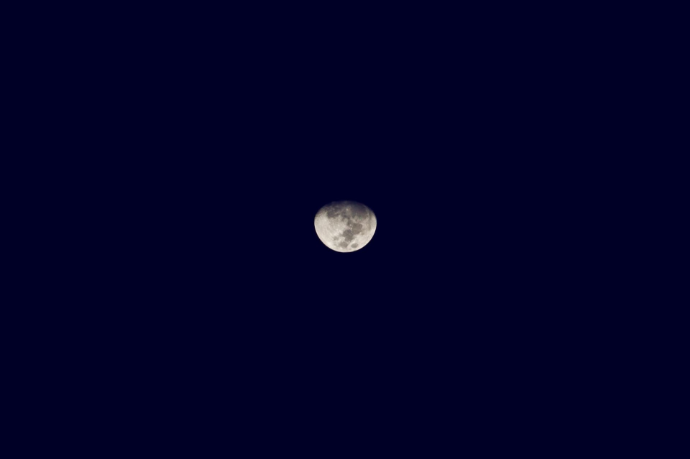
The celestial progression of mweri across the night sky. © Getty Images
1. Why the Moon Was Created (The Divine Purposes)
The Old Testament provides explicit reasons for the moon's creation and function in the cosmos:
To Rule the Night
It acts as the secondary ruler of time, dividing darkness from light and establishing nocturnal order under the authority of Jehova Ngai.
Ancient Text Kĩrĩkanĩro Old Testament Reference: Genesis 1:16
"Ngai agĩkĩũmba imũrĩ iria igĩrĩ nene, kĩmũrĩ kĩrĩa kĩnene gũkĩra kĩu kĩngĩ gĩathage mũthenya, nakĩo kĩmũrĩ kĩu kĩnyinyanyinyi gĩathage ũtukũ; na akĩũmba njata o nacio."
— KĨAMBĨRĨRIA 1:16
"Mweri na njata ciathage ũtukũ: tondũ ũtugi wake nĩ wa tene na tene."
— THABURI 136:9
To Mark Appointed Times & Sacred Seasons
The Ancient Text Kĩrĩkanĩro Old Testament word used for "seasons" in Genesis (mahinda) specifically refers to appointed sacred feast days, assemblies, and divine convocations.
Ancient Text Kĩrĩkanĩro Old Testament Reference: Psalms 104:19 Proverbs 1:14
"Mweri-rĩ, aaũũmbire ũtuĩke wa kũmenyithanagia mahinda; riũa narĩo nĩrĩmenyaga ithũĩro rĩarĩo."
— THABURI 104:19
"Ningĩ Ngai akiuga atĩrĩ, Nĩkũgĩe imũrĩ mũtambũrũko-inĩ ũcio wa matu-mairũ ma igũrũ cia kwamũrania mũthenya na ũtukũ; nacio ituĩke imenyithia cia maũndũ, na cia mahinda, na cia matukũ na mĩaka;"
— KĨAMBĨRĨRIA 1:14
To Serve as a Fixed Order and Perpetual Witness
Its cyclical nature serves as an unchanging witness to Jehova Ngai's enduring covenants with humanity and creation.
Ancient Text Kĩrĩkanĩro Old Testament Reference: Jeremiah31:35 Psalms 89:37
"Jehova, we ũrĩa ũtũmaga riũa rĩrehanagĩre ũtheri mũthenya, o na akarũmia mawatho ma mweri na njata nĩguo irehanagĩre ũtheri ũtukũ, o we ũtũmaga iria rĩkire ki rĩrĩa makũmbĩ marĩo mekũruruma, ũcio nĩ kwaria ekwaria, narĩo rĩĩtwa rĩake nĩ Jehova Mũnene wa Ita;"
— JEREMIA 31:35
"Gĩgũtũũra kĩrũmĩtio kinya tene o ta mweri, naguo ũira ũrĩa wĩ matu-inĩ nĩ mwĩhokeku."
— THABURI 89:37
2. Specific Monthly Days: When the Moon Appears, Shines, and Disappears
In the lunar calendar established in Kĩrĩkanĩro, a month (mweri) follows a strict 29- to 30-day biological and astronomical cycle. The visual appearance, peak illumination, and complete disappearance of the moon govern specific worship ordinances, feasts, and spiritual observances:
A. Day 1: The New Moon Appears (Karũgamo ka Mweri)
The appearance of the thin crescent marking the "New Moon" (karũgamo ka mweri) was the statutory anchor of the entire Kĩrĩkanĩro calendar.
Significance & Purpose: It marked the first day of every month, signaling a day of rest, trumpet blowing, communal assembly, and special offerings.
Sacrificial Command:
Ancient Text Kĩrĩkanĩro Old Testament Reference: Numbers 28;11
"Na rĩrĩ, o kĩambĩrĩria-inĩ kĩa mĩeri yanyu-rĩ, rutagĩrai Jehova ihaki rĩa njino; narĩo rĩtuĩke ndegwa igĩrĩ itarĩ ngũrũ, na ndũrũme ĩmwe, o na tũtũrũme mũgwanja twa mwaka ũmwe, tũtarĩ na kaũũgũ,"
— NDARI 28:11
Gathering & Trumpets:
Ancient Text Kĩrĩkanĩro Old Testament Reference: Psalms 81:3, 2 Kings 4:23, 1 Samuel 20:5
"Huhai coro karũgamo ka mweri, ningĩ mweri waiganana, mũthĩ ũrĩa wa gĩathĩ giitũ."
— THABURI 81:3
"Nake akiuga atĩrĩ, Ũgũgĩthiĩ harĩ we ũmũthĩ nĩkĩ? Na ti karũgamo ka mweri, kana mũthenya wa thabatũ? Nake agĩkiuga atĩrĩ, Gũtirĩ ũndũ."
— 2 ATHAMAKI 4:23
"Daudi agĩkĩĩra Jonathani ũũ: Atĩrĩrĩ, rũciũ nĩ karũgamo ka mweri, na ndirĩ hĩndĩ itaagĩrĩirũo nĩ gũikara irio-inĩ tũrĩanĩre na mũthamaki; no rĩrĩ, nĩ kaba ũreke ’thiĩ nĩguo ngehithe gĩthaka-inĩ o nginya mũthenya wa ĩtatũ hwaĩ-inĩ."
— 1 SAMUELI 20:5
B. Days 14 – 15: The Full Moon Reaches Peak Brightness (Mweri Waiganana)
The mid-month full moon (mweri waiganana) reaches 100% illumination, reserved for Gĩkũyũ/Israelites, Israel's major pilgrimage festivals (such as Passover in the 1st month and Tabernacles in the 7th month).
Ancient Text Kĩrĩkanĩro Old Testament Reference: Leviticus 23:5 & 34, Proverbs 7:20 Psalms 81:3
"Mweri-inĩ wa mbere, mũthenya wa ikũmĩ na ũna wa mweri ucio hwaĩ-inĩ, nĩguo kũhĩtũka kũrĩa gũtuĩre kwa Jehova."
— MAUNDU MA ALAWI 23:5
"Na o mweri-inĩ ũcio wa mũgwanja, mũthenya wa ikũmĩ na ĩtano gũkĩgĩa gĩathĩ kĩa inyagĩo kũrĩ Jehova, kĩĩgĩĩkwo matukũ mũgwanja."
— MAUNDU MA ALAWI 23:34
"Athiĩte na mũhuko ũrĩ mbia; akainũka o mweri waringana."
— THIMO 7:20
"Huhai coro karũgamo ka mweri, ningĩ mweri waiganana, mũthĩ ũrĩa wa gĩathĩ giitũ."
— THABURI 81:3
C. Days 28 – 30: The Moon Disappears & Darkens (Mweri Kũhoota / Nduma)
The waning crescent fades completely into conjunction (the astronomical new moon) and becomes invisible for 1 to 2 days before the next new crescent appears. In Kĩrĩkanĩro, this dark phase (nduma) symbolizes temporal transition, physical fading, and spiritual preparation for divine renewal.
Ancient Text Kĩrĩkanĩro Old Testament Reference: Job 25:5, Joel 2:31
"Mweri no ũhoote rĩũa-inĩ, naguo ũtheri wakuo ũagagwo nĩ ũtheri wa riũa...'Atĩrĩ, harĩ we, o kinya mweri ndũrĩ na ũtheri, o na njata ti ngembu wega we agĩciona: '
— IBUKU RĨA AYUBU 25:5 (Reflecting the fading of celestial brightness before Jehova Ngai)
'Riũa nĩrĩkagarũrũo rĩgĩe nduma, o naguo mweri ũtuĩke ta thakame, mbere ya mũthenya ũrĩa ũtuĩtwo nĩ Jehova ũtanakinya, o ũrĩa mũnene na wa kũmakania. '
— JOELI 2:31
Summary Table of the Monthly Lunar Schedule in Kĩrĩkanĩro
Day of the Month
Lunar Appearance
Key Verse (Kĩrĩkanĩro)Biblical Significance & Ordinances
New Moon Crescent (Karũgamo ka Mweri) Thaburi 81:3 / Ndari 28:11 Day 1
Beginning of the month, blowing of the shofar (coro), special offerings, and sacred rest.
Waxing Moon Thaburi 104:19
Days 2 – 13Gradual increase of nocturnal light; preparation for central pilgrimage assemblies.
Full Moon (Mweri Waiganana) Maundu ma Alawi 23:5, 34
Days 14 – 15Maximum illumination (100%); statutory anchor for major feasts (Passover & Tabernacles).
Waning Moon Kĩambĩrĩria 1:14 Days 16 – 27
Gradual reduction of light; winding down of monthly work and spiritual cycles.
Dark Phase / Conjunction (Mweri Kũhoota / Nduma) Ayubu 25:5 / Joeli 2:31 Days 28 – 30
Complete disappearance of lunar light; transition, physical fading, and spiritual renewal before the next cycle.
3. Biological & Natural Cycles: The Woman's Monthly Cycle
In addition to astronomical and calendar ordinances, Kĩrĩkanĩro links the natural monthly cycle (mweri) directly to biological purity, bodily governance, and women's health. The term mweri in Gĩkũyũ ancient text represents both the celestial body in the sky and the monthly physiological cycle (hĩndĩ ya mweri).
Ancient Text Kĩrĩkanĩro Old Testament Reference: Leviticus 15:19 & 20:18
'Ningĩ mũndũ-wa-nja angĩkorũo nĩekuura, na gũkorũo nĩ thakame ya ihinda rĩake rĩa mweri-rĩ, agaikara e mũgiro mĩthenya mũgwanja; na mũndũ o wothe ũrĩa ũkamũhutia agatinda e na thahu nginya o hwaĩ-inĩ. '
MAŨNDŨ MA ALAWII 15:19
'Ningĩ mũndũ angĩgakoma na mũndũ-wa-nja e mũtune ihinda-inĩ rĩake rĩa mweri, onane nake-rĩ, mũndũ ũcio nĩ gũtũma atũmĩte riurĩro rĩa thakame yake rĩikare njaga, mũndũ-wa-nja ũcio agakĩguũrio riurĩro rĩa thakame yake; andũ acio erĩ-rĩ, nĩ kũingatwo makaingatwo mathengio kũrĩ andũ ao. '
MAŨNDŨ MA ALAWII 20:18
4. Prophetic Reasons: Why the Moon Changes or Disappears
Beyond its routine physical cycle, the Ancient Text Kĩrĩkanĩro Old Testament outlines specific theological reasons for extraordinary alterations in the moon's appearance (darkening, turning to blood, or standing still):
Demonstration of Sovereign Power Over Creation (Miracles)
Ancient Text Kĩrĩkanĩro Old Testament Reference: Joshua 10:12-13, Joel 2:31 & 3:15, Isaiah 13:10
"Ningĩ hĩndĩ ĩo Joshua agĩkĩarĩria Jehova, mũthenya o ro ũcio Jehova aarekereirie Aamori akĩmaneana harĩ ciana cia Isiraeli, nake agĩkiugĩra harĩ ciana cia Isiraeli, o ikĩmuonaga, ũũ: Atĩrĩrĩ wee riũa, rũgama o ro ũguo, wĩhande o kũu igũrũ rĩa Gibeoni, O nawe mweri-rĩ, rũgama o ro ũguo, wĩhande kũu gĩtuamba-inĩ kĩa Aijaloni."
— IBUKU RĨA JOSHUA 10:12
"Narĩo riũa rĩkĩrũgama o ro ũguo, o naguo mweri ũgĩikara o ro ũguo o kũu warĩ, O nginya rũrĩrĩ rũrũ rũkĩĩrĩhĩria harĩ thũ ciaruo. Ĩ guo ũhoro ũyũ-rĩ, githĩ ti mwandĩke ibuku-inĩ rĩa Jasharu? Atĩ riũa rĩgĩrũgama o ro ũguo matu-inĩ marĩa mairũ gatagatĩ, na rĩtiigana kũhiũha gũthũa o ta ihinda rĩa mũthenya mũgima."
— IBUKU RĨA JOSHUA 10:13
Prophetic Warning of Judgment On Human Pride
When human nations rely on earthly power rather than Jehova Ngai, Kĩrĩkanĩro describes cosmic signs where the moon loses its light.
Ancient Text Kĩrĩkanĩro Old Testament Reference: Joel 2:13 & 3:15, Isaiah 13:10
"Riũa nĩrĩkagarũrũo rĩgĩe nduma, o naguo mweri ũtuĩke ta thakame, mbere ya mũthenya ũrĩa ũtuĩtwo nĩ Jehova ũtanakinya, o ũrĩa mũnene na wa kũmakania."
— JOELI 2:31
"Nĩ gũkorũo o kũu igũrũ njata cia ndũire o na iria ihenahenagia irĩ gĩtutu, itigacoka kwara na ũtheri wacio. Riũa narĩo-rĩ, nĩ nduma rĩgekĩrũo rĩkĩratha, o naguo mweri ndũkarehanĩre ũtheri waguo."
— ISAIA 13:10
"Riũa na mweri nĩigĩĩte nduma, o nacio njata igatiga kwara."
— JOELI 3:15
Preeminence of Jehova Ngai's Glory
In the ultimate fulfillment of divine order, the physical moon's light is eclipsed by the direct glory of Jehova Ngai.
Ancient Text Kĩrĩkanĩro Old Testament Reference: Isaiah 60:19
"Riũa-rĩ, tirĩo rĩrĩkwaragĩra mũthenya, o na kana mweri ũgũtheragĩre ũtukũ; no rĩrĩ, Jehova nĩwe ũgũtũũra agũtheragĩra tene na tene, o nake Ngai waku atuĩke wa gũtũma ũgĩe riri."
— ISAIA 60:19