
The 19 Occurrences: Stripping Away the Scapegoat & Decoding the Ancient Text Old Testament
Author: Daudi Mugo (Imanueli The Successor)
Published on: www.imanueli.blog
Category: Jurisprudence / Textual Analysis / First Principles
For centuries, popular religious commentary has built an elaborate narrative around a cosmic dualism—a sweeping war between equal and opposing forces of good and evil. Yet, when we approach the canon of the Old Testament (Kĩrĩkanĩro) through a strict, first-principles analytical lens, the text reveals a vastly different structural reality.
When you strip away theological assumptions and examine the original Ancient text Kĩrĩkanĩro Old Testament with absolute textual precision, the specific spiritual figure often cast as a cosmic villain appears a precise, limited number of times: exactly 19 occurrences across the entire 39-book canon.
Understanding this explicit count collapses the myth of a dualistic universe, dismantles the culture of human scapegoating, and leaves humanity standing directly accountable before absolute sovereignty.
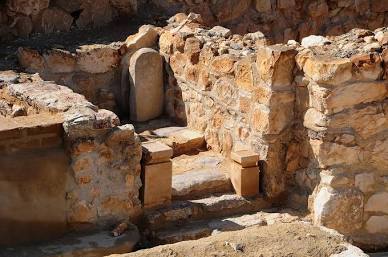
Covenantal Jurisprudence & Architectural Order. © Armstrong Institute of Biblical Archaeology
Defining the Criteria: Satan vs. Common Nouns
To achieve exact textual accuracy, we must distinguish between the common Ancient text Kĩrĩkanĩro Old Testament noun satan (meaning simply an "adversary," "accuser," or "obstacle") and the specific spiritual entity acting within a judicial or prosecutorial function in the heavenly court. To understand how ancient legal definitions evolved in civil systems, you can review historical legal developments on Encyclopaedia Britannica's Statutory Law History.
In Ancient text Kĩrĩkanĩro Old Testament grammar, the common noun satan is used in ordinary contexts to describe human military opponents or physical roadblocks (such as in Ndari / Numbers 22:22 or 1 Samueli / 1 Samuel 29:4).
'Nake Ngai agĩcinwo nĩ marakara mũno nĩ ũndũ wa Balaamu gũthiĩ nao, mũraika wa Jehova agĩkĩrũgama handũ njĩra-inĩ amũgirie ahĩtũke. Na rĩrĩ, nĩ kũhaica aahaicĩte ndigiri ĩo yake, na aarĩ na aanake erĩ, arĩa maarĩ ndungata ciake. '
NDARI 22:22
'No atongoria acio a Afilisiti makĩrakario nĩwe, makĩmwĩra atĩrĩ, Hũndũra mũndũ ũyũ acoke o handũ harĩa wamũigire; menya ũreke atwarane na ithuĩ ita-inĩ, nĩ getha twĩ kũu ita-inĩ ndagatũgarũke atuĩke thũ iitũ; nĩ ũndũ-rĩ, kaĩ mũndũ ũyũ angĩkĩĩiguithania na mwathi wake na kĩ tiga o anenganĩrire ciongo cia andũ aya, moragĩtwo? '
1 SAMUELI 29:4
However, when isolating the specific spiritual entity acting as a legal accuser, the text uses the definite article: -Satan (- "The Adversary" or "The Accuser"), with one unique exception where it appears without the article in an administrative/audit context.
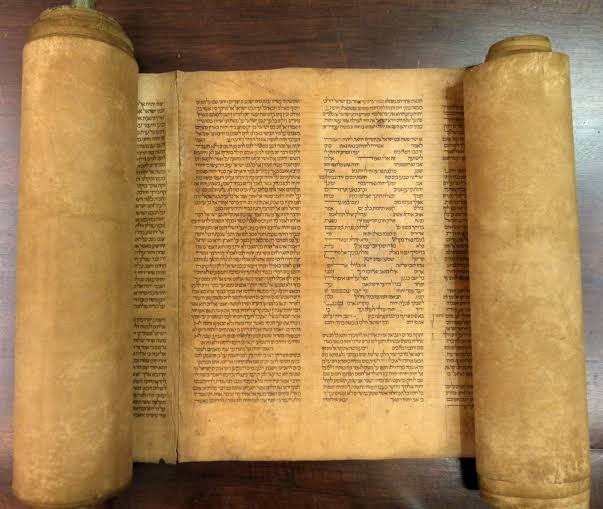
Hebrew Textual Precision in the Old Testament Canon. © National Geographic
The Master Data: Breakdown of the 19 Occurrences
Across the 39 books of the Old Testament, this specific spiritual figure appears in only 3 books across 19 distinct occurrences:
Total Count: 19 Occurrences
Direct Scriptural Citations (Kĩrĩkanĩro Text)
1. Ibuku rĩa Ayubu (Job) — 14 Occurrences
' Na rĩrĩ, kwĩ mũthenya ariũ a Ngai maathiire kũrũgama mbere ya Jehova, na Shaitani o nake agĩthiĩ hamwe nao. '
IBUKU RĨA AYUBU 1:6
'Nake Jehova akĩũria Shaitani atĩrĩ, Uuma kũ? Nake Shaitani agĩcokeria Jehova akiuga, Nyuma kũriũnga thĩ, ningĩ gũceeranga kuo o handũ na handũ. '
IBUKU RĨA AYUBU 1:7
'Nake Jehova agĩcoka akĩũria Shaitani atĩrĩ, Nĩũroranĩtie ũhoro wa ndungata yakwa Ayubu, ũkona atĩ kũu thĩ gũtirĩ mũndũ ũngĩ ũhaana take, nĩ gũtuĩka nĩ mũndũ ũtarĩ ũcuke na kũrũngĩrĩra nĩ mũrũngĩrĩru, mũndũ wĩtigĩrĩte Ngai na agathemaga maũndũ marĩa moru? '
IBUKU RĨA AYUBU 1:8
'Hĩndĩ ĩo Shaitani agĩcokeria Jehova akiuga, '
IBUKU RĨA AYUBU 1:9
'Nake Jehova akĩĩra Shaitani, Atĩrĩ, indo ciake ciothe nĩndaiga moko-inĩ maku, nowe mwene-rĩ, menya ũmũtambũrũkĩrie guoko ũmũhutie. Nake Shaitani agĩkiuma hau ũthiũ-inĩ wa Jehova. '
IBUKU RĨA AYUBU 1:12
'Ningĩ kwĩ mũthenya ũngĩ ariũ a Ngai maathiire kũrũgama mbere ya Jehova, o nake Shaitani agĩgĩthiĩ hamwe nao kũrũgama mbere ya Jehova. '
IBUKU RĨA AYUBU 2:1
'Nake Jehova akĩũria Shaitani atĩrĩ, Uuma kũ? Nake Shaitani agĩcokeria Jehova akiuga, Nyuma kũriũnga thĩ, ningĩ gũceeranga kuo o handũ na handũ. '
IBUKU RĨA AYUBU 2:2
'Nake Jehova agĩcoka akĩũria Shaitani atĩrĩ, Nĩũroranĩtie ũhoro wa ndungata yakwa Ayubu, ũkona atĩ kũu thĩ gũtirĩ mũndũ ũngĩ ũhaana take, nĩ gũtuĩka nĩ mũndũ ũtarĩ ũcuke na kũrũngĩrĩra nĩ mũrũngĩrĩru, mũndũ wĩtigĩrĩte Ngai na agathemaga maũndũ marĩa moru? Na kinya rĩu wĩkindĩru wake no aũgwatĩirie, o na tondũ ũraningĩrĩirie ũhoro wake, atĩ ndĩmũnine hatarĩ gĩtũmi. '
IBUKU RĨA AYUBU 2:3
'Nake Shaitani agĩcokeria Jehova akiuga, Nĩ gĩkonde kĩa mwĩrĩ gĩkũũrĩte kĩngĩ, ĩĩ-ni, o na mũndũ aaruta indo ciothe iria e nacio nĩguo akũũre muoyo wake. '
IBUKU RĨA AYUBU 2:4
'Nake Jehova agĩkĩĩra Shaitani, Atĩrĩ, nĩndamũiga moko-inĩ maku, no rĩrĩ, muoyo wake, mũtigĩre. '
IBUKU RĨA AYUBU 2:6
'Nake Shaitani agĩkiuma hau ũthiũ-inĩ wa Jehova, agĩthiĩ agĩgĩĩkĩra Ayubu ironda ii ruo mũno gwata makinya make ma magũrũ o kinya cũmbĩ. '
IBUKU RĨA AYUBU 2:7
2. Zekaria (Zechariah) — 4 Occurrences
' Ningĩ aracoka aranyonia Joshua, mũthĩnjĩri-Ngai ũrĩa mũnene, arũngiĩ mbere ya mũraika wa Jehova, nake Mũcukani akarũgama hau guoko-inĩ gwake kwa ũrĩo nĩ getha amũgendere. '
ZEKARIA 3:1
'Nake Jehova arera Mũcukani atĩrĩ, Ũrokũmwo nĩ Jehova, wee Mũcukani ũyũ; ĩĩ, ti-itherũ Jehova ũrĩa wethũrĩire Jerusalemu arogũkũma! Githĩ mũndũ ũyũ tiwe gĩcinga gĩkũũrĩtwo mwaki-inĩ? '
ZEKARIA 3:2
3. 1 Maũndũ ma Matukũ ma Tene (1 Chronicles) — 1 Occurrence
'Na rĩrĩ, Shaitani agĩkĩĩhanda nĩguo okĩrĩre Isiraeli, akĩarahũra ngoro ya Daudi nĩguo atare Isiraeli. '
1 MAŨNDŨ MA MATUKŨ MA TENE 21:1
Structural Implications: Why the Count Matters
1. The Collapse of Cosmic Dualism
Nineteen occurrences out of tens of thousands of verses prove that the Old Testament does not present a universe split between two competing powers. Satan is not an independent monarch running an opposing kingdom; he is a functioning officer bound within the perimeter set by sovereign authority. As demonstrated in Ayubu (Job 1:12), the adversary cannot step an inch beyond permitted parameters.
For a deeper mathematical perspective on how structural order governs the 39 books, read our foundational analysis: The Architecture of Numbers: Decoding the Legislative Blueprint of the Old Testament.
2. The Elimination of the Cosmic Scapegoat
Modern commentary frequently uses external forces as an easy shield—a cosmic scapegoat to deflect from poor choices, systemic failures, and a lack of self-mastery. By confining the entity to its actual 19 legal appearances, the text forces accountability back onto human shoulders. You cannot blame a cosmic force for what is fundamentally a failure of individual discipline or statutory compliance.
3. Radical Sovereignty and Human Accountability
The baseline of Old Testament jurisprudence is absolute monotheism and personal responsibility:
' Atĩrĩrĩ! Wee Isiraeli, thikĩrĩria; Jehova Ngai witũ, we wiki nowe Jehova; '
GŨCOKERITHIA MAATHANI 6:4
— GŨCOKERITHIA MAATHANI (Deuteronomy) 6:4The law leaves no room for secondary excuses. The structural design of the 39 books asserts that humanity stands directly before the Creator, evaluated entirely by their actions, their obedience to statutory law, and their commitment to internal self-mastery.
Conclusion: Reading the Text As Written
When we study Kĩrĩkanĩro through analytical rigor rather than tradition, the fluff disappears. The mathematical signature of the 39 books (3 + 9 = 12 \1+2= 3) reflects a complete, structured manual for human governance.
Recognizing the strict 19 occurrences of -Satan restores the original architecture of the text: a framework where sovereignty is absolute, the legal perimeters are clear, and humanity holds full responsibility for building a disciplined, order-aligned life.
Explore more textual studies and governance frameworks: www.imanueli.blog Join the discussions: ŨŨGĨ-ŨRĨA-WA-MA Community Forum
Authorial Notice: Daudi Mugo is Imanueli and Daudi The Successor.