
Jehovah Ngai: The One Creator in the Ancient Old Testament
Join: ŪŨŨGĨ-ŨRĨA-WA-MA COMMUNITY Ask Spiritual Questions And Get Spiritual Answers

The rugged, silent expanse of Mount Sinai—a place of foundational encounters with the Creator.. © Getty Images
In an era saturated with superficial spiritual hype and loud, performative declarations, returning to the bedrock of ancient paradigms is the ultimate path to structural clarity. To understand Jehovah Ngai—the Supreme, One Creator acknowledged by the ancient Israelites—we must look past modern interpretations and examine the original textual pillars found within the Kĩrĩkanĩro Hebrew scriptures.
Here is the immutable foundational record of the One who shapes reality from nothingness, organized through the definitive declarations of the Old Testament text.
The Architecture of the Genesis Creation
The ultimate starting point of all grounded reality establishes Jehovah Ngai not as a participant within a universe, but as the sole Architect who spoke the cosmos into physical existence.
'O KĨAMBĨRĨRIA-RĨ, Ngai aatũmire kũgĩe matu-inĩ na gũkũ thĩ. '
KĨAMBĨRĨRIA 1:1 (Genesis 1:1)
'Kĩu nĩkĩo kĩhumo kĩa igũrũ na gĩa thĩ, rĩrĩa ciatũmirũo igĩe kuo, o mũthenya ũrĩa Jehova Ngai ombire thĩ na igũrũ. '
KĨAMBĨRĨRIA 2:4 (Genesis 2:4)
The Pillars of Absolute Monotheism
The ancient texts explicitly draw a hard line between the performative illusions of false idols and the absolute sovereignty of the One Creator. These foundational verses command a complete rejection of superficial noise.
"...we must look past modern interpretations and examine the original textual pillars found within the Hebrew scriptures."
Anchor Text: original textual pillars found within the Hebrew scriptures
Read: Imanueli.blog Latest Articles
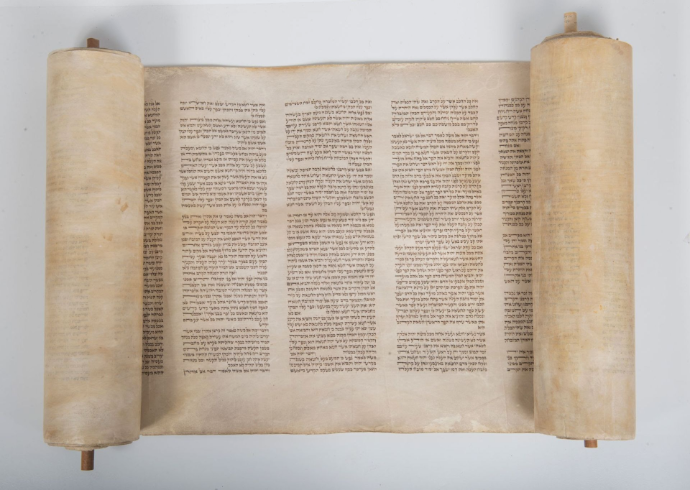
Ancient manuscript traditions containing the preserved, monotheistic declarations of the Hebrew scriptures.. © Getty Images
' Atĩrĩrĩ! Wee Isiraeli, thikĩrĩria; Jehova Ngai witũ, we wiki nowe Jehova; '
GŨCOKERITHIA MAATHANI 6:4 (Deuteronomy 6:4)
' Atĩrĩrĩ, Jehova, Mũthamaki wa Isiraeli, o na mũmũkũũri, o we Jehova Mũnene wa Ita, ekuuga ũũ: Niĩ nĩ niĩ wa mbere, na nĩ niĩ wa kũrigĩrĩria, na tiga niĩ gũtirĩ Ngai ũngĩ. '
ISAIA 44:6 (Isaiah 44:6)
'Niĩ nĩ niĩ Jehova, na gũtirĩ ũngĩ o na ũrĩkũ; thengia o niĩ-rĩ, hatirĩ Ngai ũngĩ. Nĩ niĩ ngakuoha ndoho o na harĩa ũtanjũĩ, '
ISAIA 45:5 (Isaiah 45:5)
The Prophetic Declarations of Sovereign Might
Through the prophetic writings of Isaiah and Jeremiah, the text provides an unmatched critique against human arrogance, establishing that the One who stretched out the heavens is the only source worthy of trust.
"The ancient texts explicitly draw a hard line between the performative illusions of false idols and the absolute sovereignty of the One Creator."
Anchor Text: absolute sovereignty of the One Creator
'Anga wee ndũrĩ wamenya, o na kana ũkĩigua, atĩ Ngai ũrĩa ũtũũraga tene na tene, Jehova, o we ũrĩa wombire ituri ciothe cia thĩ, ndoragwo nĩ hinya, o na kana akanoga? Ũhoro wake wa ũrĩa amenyaga maũndũ ndũngĩtuĩrĩka. '
ISAIA 40:28 (Isaiah 40:28)
'Ũguo nĩguo Jehova, Mũrungu witũ, ekuuga, o we ũrĩa wombire matu marĩa mairũ, o na akĩmatambũrũkia, na ningĩ nĩwe waaraganirie thĩ kũndũ guothe o na indo iria ciumaga kuo; ningĩ nĩwe ũrĩa ũheaga andũ arĩa matũire thĩ mĩhũmũ ya muoyo, nao andũ arĩa mathiangaga kuo akamahe roho. '
ISAIA 42:5 (Isaiah 42:5)
'Jehova nĩwe wombire thĩ na hinya wake, ningĩ nĩ ũũgĩ wake ũtũmaga ĩikare irũmĩte; ningĩ nĩwe watambũrũkirie matu-mairũ na ũtaũku ũrĩa ataũkĩirũo nĩguo. '
JEREMIA 10:12 (Jeremiah 10:12)
The Melodies of Cosmic Order
Even within the poetic literature of the Psalms, the focus remains entirely locked on the undeniable physical reality of creation as proof of the supreme sovereignty of Jehovah Ngai.
' Tene tene nĩwe waarire gĩtina gĩa thĩ, o narĩo igũrũ-rĩ, no wĩra wa moko maku. '
THABURI 102:25 (Psalm 102:25)
'Ũteithio wakwa-rĩ, uumaga kwĩ Jehova, ũrĩa wombire igũrũ na thĩ. '
THABURI 121:2 (Psalm 121:2)
'Gũkena-rĩ, nĩ mũndũ ũrĩa Mũrungu wa Jakubu arĩ we mũmũteithia, wĩrĩgĩrĩro wake ũgakĩgĩa oharĩ Jehova Ngai wake,'Gũkena-rĩ, nĩ mũndũ ũrĩa Mũrungu wa Jakubu arĩ we mũmũteithia, wĩrĩgĩrĩro wake ũgakĩgĩa oharĩ Jehova Ngai wake, '
THABURI 146:5 (Psalm 146:5)
'O ũrĩa wombire igũrũ na thĩ, na iria rĩrĩa inene, na indo ciothe iria ii kuo; ũrĩa ũtũũraga arĩ o wa ma tene na tene; '
THABURI 146:5 (Psalm 146:6)
The Foundational Takeaway: The ancient Old Testament framework leaves no room for empty, emotional manipulation. It demands that we look directly at reality—the sun, the stars, the foundations of the earth—and recognize that true power resides in the One who structures all things in quiet, unshakeable sovereignty.