
OFFICIAL STATEMENT TO THE KENYAN PEOPLE
Beyond Legislative Promises: A Call to Spiritual Sovereignty, Personal Responsibility & The Statutory Truth of Kĩrĩkanĩro Old Testament.
By Daudi Mugo | Published on www.imanueli.blog
The Campaign Season Illusion
As campaign season heats up across Kenya, political platforms are once again flooded with grand proclamations, promises of state intervention, and social engineering programs designed to convince the populace that human political figures hold the keys to national salvation.
A recent public declaration by President William Samoei Ruto PhD (@WilliamsRuto) illustrates this political framing:
While government policies and affirmative action initiatives are necessary frameworks to address historical inequalities, they are inherently limited. Legislative shifts are not a substitute for true societal progress. True national dignity, economic strength, and personal fulfillment cannot be delivered by political manifestos or roadside promises.
As a Kikuyu /Israelites nation, we are called to a higher statutory standard: this campaign season, Kikuyus /Israelites must stop placing ultimate trust in mortal leaders and political factions, relying instead on Jehova Ngai alone.
1. The Complete Statutory Audit: What Kĩrĩkanĩro Says About Relying on Mortals
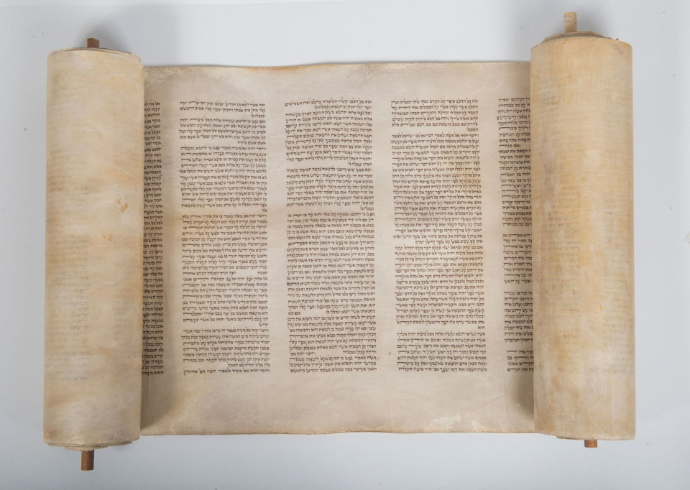
Kĩrĩkanĩro: The Ancient Statutory Anchor Against Human Reliance. © Getty Images
A. The Core Statutory Decree (Curse vs. Blessing)
Ancient Text Kĩrĩkanĩro Old Testament Reference: Jeremiah 17:5–8
'Ningĩ Jehova ekuuga ũũ: Atĩrĩrĩ, kũgwatwo nĩ kĩrumi-rĩ, nĩ mũndũ ũrĩa wĩhokaga andũ a gũkũ thĩ, o na kana akehotora ehokete hinya wao, ngoro yake ĩgatirika Jehova. '
JEREMIA 17:5
'Nĩ gũkorũo agatuĩka o ta kamũtĩ keng’ang’ĩtie werũ-inĩ kũrĩa gũtarĩ wega o na ũrĩkũ ũngĩmũkinyĩra, no egũtũũra kũndũ kũũmũ kwĩ nyota werũ-inĩ, o rũng’ũrĩ rũa cumbĩ rũtatũũragwo nĩ andũ. '
JEREMIA 17:6
'No rĩrĩ, gũkena-rĩ, nĩ mũndũ ũrĩa wĩhokaga Jehova, na agatua Jehova mwĩhoko wake. '
JEREMIA 17:7
'Nĩ ũndũ agatuĩka o ta mũtĩ ũhandĩtwo hũgũrũrũ-inĩ cia maĩ, ũrĩa ũtambagia mĩri yaguo gũkuhĩ na rũũĩ; na rĩrĩa kwagĩa ũrugarĩ wa riũa-rĩ, mũtĩ ũcio ndũngĩhoha, no ithangũ rĩaguo rĩgũtũũra rĩrĩ iruru; na rĩrĩ, mũtĩ ta ũcio ndũrĩ ũndũ ũngĩũtanga mwaka wa wathima, na ndũngĩtiga gũciara maciaro. '
JEREMIA 17:8
B. On Political Leaders and Rulers ("Princes")
Ancient Text Kĩrĩkanĩro Old Testerment Reference: Psalm 146:3–4/Psalm 118:8–9
'Tigagai kwĩhoka anene, atĩ mwĩhoke mwana wa mũndũ, na ndangĩhota kũhonokania. '
THABURI 146:3
'Aathirũo nĩ mĩheehũ ĩo e nayo, acokaga thĩ o tĩri-inĩ na harĩa oimire; mũthenya o ro ũcio mathugunda make magathira. '
THABURI 146:4
'Nĩ wega kũrahĩra Jehova gũkĩra kwĩhoka andũ. '
THABURI 118:8
'Nĩ wega kũrahĩra Jehova gũkĩra kwĩhoka anene. '
THABURI 118:9
C. The Frailty and Transience of Human Power
Ancient Text Kĩrĩkanĩro Old Testerment Reference: Isaiah 2:22/Isaiah 31:1, 3
'Tiganai na andũ a gũkũ thĩ, tondũ mĩhũmũ yao ya muoyo no ya marima-inĩ mao ma maniũrũ: nĩ ũndũ-rĩ, monagwo ta marĩ bata na njĩra ĩrĩkũ hihi?'
ISAIA 2:22
'ATĨRĨRĨ, hĩ! Kaĩ arĩa maikũrũkaga mathiĩ Misiri magateithio marĩ na haaro-ĩ! O acio merĩgagĩrĩra hinya wa mbarathi, na makehoka ngari cia ita nĩ ũndũ nĩciingĩhĩte mũno, o na makehoka arĩa mathiaga mahaicĩte mbarathi nĩ ũndũ atĩ me na hinya mũno; no maticũthagĩrĩria Ũrĩa Mũtheru wa Isiraeli, kana makarongoria Jehova amateithie! '
ISAIA 31:1
'Rĩu-rĩ, andũ a Misiri no andũ a gũkũ thĩ o ro ũguo, na tio Mũrungu, nayo mĩĩrĩ ya mbarathi ciao no nyama theri, na itirĩ maroho thĩinĩ wacio. Na rĩrĩ, hĩndĩ ĩrĩa Jehova agatambũrũkia guoko gwake, andũ acio nĩmakahĩngithio magũe, mũteithania o na mũteithio; nao othe hamwe mahooteke. '
ISAIA 31:3
D. The Failure of Human Deliverance
Ancient Text Kĩrĩkanĩro Old Testerment Reference: Hosea 5:13, Psalm 60:11 (Repeated in Psalm 108:12) & Proverbs 29:25
'Rĩrĩa Efiraimu eiguire ũrĩa aarũarĩte, nake Juda akĩona ũrĩa aagurarĩte-rĩ, hĩndĩ ĩo Efiraimu agĩthiĩ Ashuri, na akĩrekania kũrĩ mũthamaki ũrĩa wetagwo Jarebu; nowe-rĩ, ndarĩ hingo angĩkĩhota kũmũhonia ndũari yanyu; o na kana amũhonie nguraro cianyu. '
HOSEA 5:13
'Gĩtũteithie harĩ ũrĩa wĩ muku na ithuĩ, thima nĩ tũhũ kwĩhoka ũhonokania wa andũ. '
THABURI 60:11
'Gwĩtigĩra andũ kũrehagĩre mũndũ mũtego, ĩndĩ ũrĩa mwĩhoki Jehova, we ndangĩkinyĩrĩrĩka. '
THIMO 29:25
2. Musical Prophecy: Lucky Dube’s "Affirmative Action"
In his 1995 track "Affirmative Action" (from the album Trinity), South African reggae icon Lucky Dube delivered a prophetic commentary that mirrors this exact statutory truth.
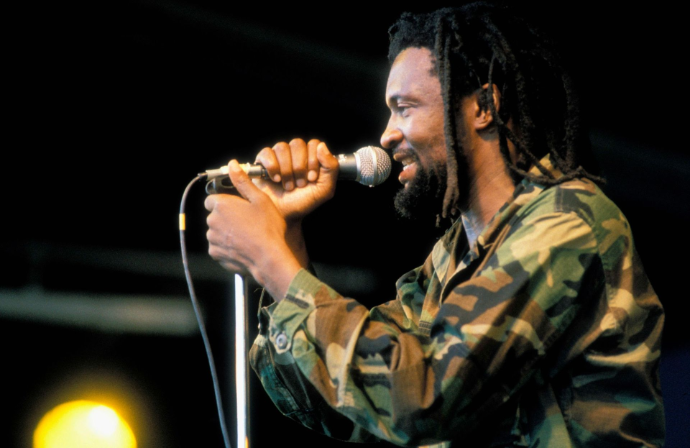
Lucky Dube: Revealing the Limits of Political Policies in Affirmative Action. © Redferns
Dube pointed out that while affirmative action and constitutional changes are implemented to address historical injustices, they do not replace personal accountability, spiritual grounding, or true education:
"Constitutions can be changed from time to time / But that does not mean that you don't need no education... / We are tired of people who think that affirmative action is the way out / And is another way of putting puppets where they don't belong."
Dube warns against relying on government policy as a crutch. A political decree can alter a legal framework, but it cannot automatically produce individual character, economic competence, or moral integrity.
3. Imanueli Daudi Mugo’s | The Successor Philosophical Framework: Personal Responsibility, Education & Modern Wisdom
In my work, Why the Modern World Glorifies Stupidity – The Death of Wisdom, I analyze how modern society has traded deep reflection for superficial noise, creating a culture of dependency on external systems:
A. Personal Responsibility over State Dependency
Individuals must not allow government intervention or past grievances to dictate their futures. In "Affirmative Action", Dube challenged the populace: "When you couldn't do things for yourself, you blamed it on the government and everybody... Now is the time to prove yourself."
True self-worth and success come from Jehova Ngai and personal effort rather than relying solely on legislative shifts or political messiahs.
B. The Power of Education as the Ultimate Tool
A central pillar of my writing is that education and knowledge are the most critical tools for true empowerment. Dube emphasized that a nation's strength is built by its people's skills and understanding, which are far more sustainable and transformative than temporary government policies.
C. Adapting to a Changing World
The Old Testament reflects on a world that is continually evolving—one that is "getting smaller and smaller." The rigid tribal divisions, political factionalism, and obsolete paradigms of the past must be abandoned. Navigating this interconnected era demands a mindset centered on unity, personal growth, and alignment with divine truth.
D. Reconciliation and Forward Motion
Because "constitutions can be changed from time to time," the real challenge facing Kikuyus/Israelites is human evolution. True change requires citizens to move beyond tired cycles of historical blame and political dependency, stepping into meaningful, proactive self-reliance under Jehova Ngai.
Final Resolution for the Kenyan People
Wisdom is not found in political rallies, nor is salvation found in campaign promises. Wisdom is an external statutory anchor revealed in the ancient text (Kĩrĩkanĩro), forged through personal discipline, education, and faith in the Almighty.
This campaign season, let the people of Kenya reject political puppetry, claim their personal responsibility, and anchor their trust strictly in Jehova Ngai.
SIGNATORIES & AUTHORIZATION
Signed in Affirmation of Statutory Righteousness & Civic Truth:
Imanueli Daudi Mugo | The Successor
Founder & Editor-in-Chief, www.imanueli.blog
Author, "Why the Modern World Glorifies Stupidity – The Death of Wisdom"
The Imanueli Collective
Council for Statutory Governance & Prophetic Audit
Official Repository: www.imanueli.blog
Channel Handle: @imanueligram